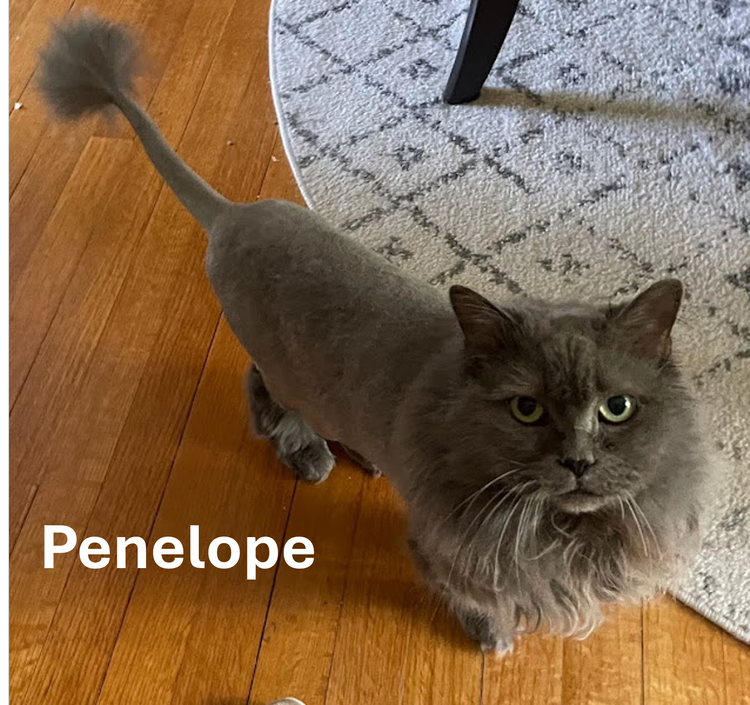
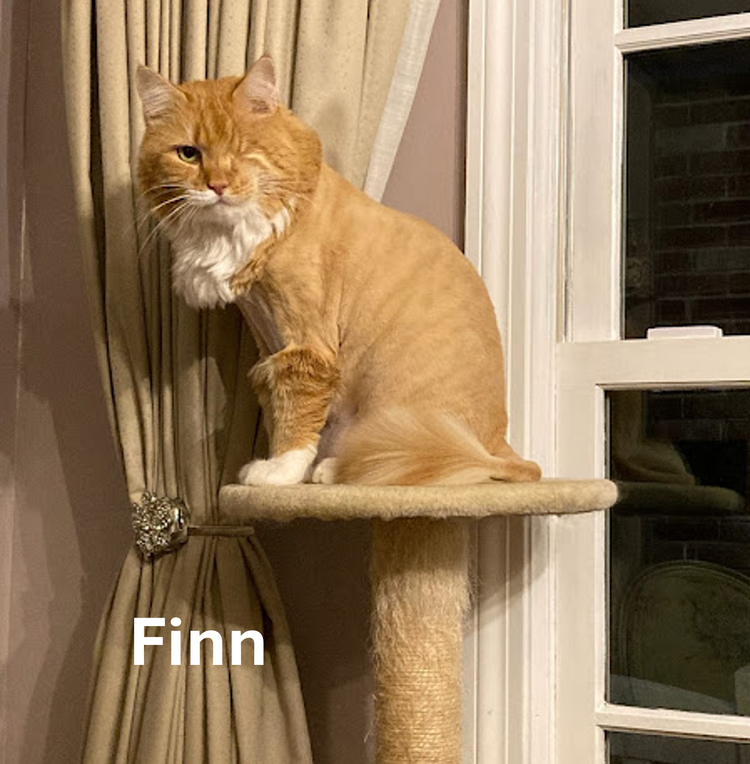
Why Cats Get Mats—and Why They Need to Be RemovedIf you’ve ever noticed clumps of tangled fur on a cat, you’ve seen a hair mat. Mats form when loose fur and natural oils build up, often in areas where there’s a lot of friction—like behind the ears, under the legs, or along the back. Long-haired cats and older cats who can’t groom as well are especially prone to them.Poor grooming can also be related to mouth pain and other health problems. While mats may look harmless, they can actually cause discomfort and even health issues. Tight mats pull on the skin, making it painful for a cat to move or lie down. They can trap dirt and moisture, which may lead to irritation or infection. Left unchecked, mats can become so severe that they restrict circulation to the skin beneath. The good news is that regular grooming can prevent mats from forming. Brushing your cat often—especially during shedding season—helps remove loose hair before it tangles. If mats do appear, here are some gentle tips: Go slowly and hold the fur close to the skin as you work, so you don’t tug painfully. Use a wide-tooth comb or mat splitter to carefully work through tangles. Never pull hard—if the mat is tight, work around the edges a little at a time. Trim with grooming clippers — After trying several brands of trimmers, Yvonne recommends this model, Oneisall, which has worked really well for her. (She doesn’t get paid for her endorsement.) For severe mats, a professional groomer or vet is safest.
By keeping your cat’s coat free of mats, you’re not only helping them look their best—you’re also ensuring they stay comfortable, healthy, and happy.
|